Professional stone fabrication involves a meticulous blend of artistry and technology to transform raw stone into elegant, precise products such as countertops, flooring, facades, and sculptures. The process begins with careful selection and inspection of the stone slabs, ensuring quality and uniformity in texture, color, and structural integrity. Once selected, these slabs are cut and shaped using a range of specialized tools and machines designed to handle the unique properties of natural and engineered stones like granite, marble, quartz, and soapstone. One of the most fundamental tools in this field is the bridge saw, equipped with diamond-tipped blades that can make clean, straight cuts through even the hardest stones. These saws are often computer-controlled to increase precision and reduce human error, especially in large-scale production settings. For more intricate cuts and detailed shaping, water jet cutting machines are frequently used. These devices use a high-pressure stream of water, often mixed with an abrasive substance, to slice through stone with minimal heat generation, which helps maintain the stone’s structural integrity.
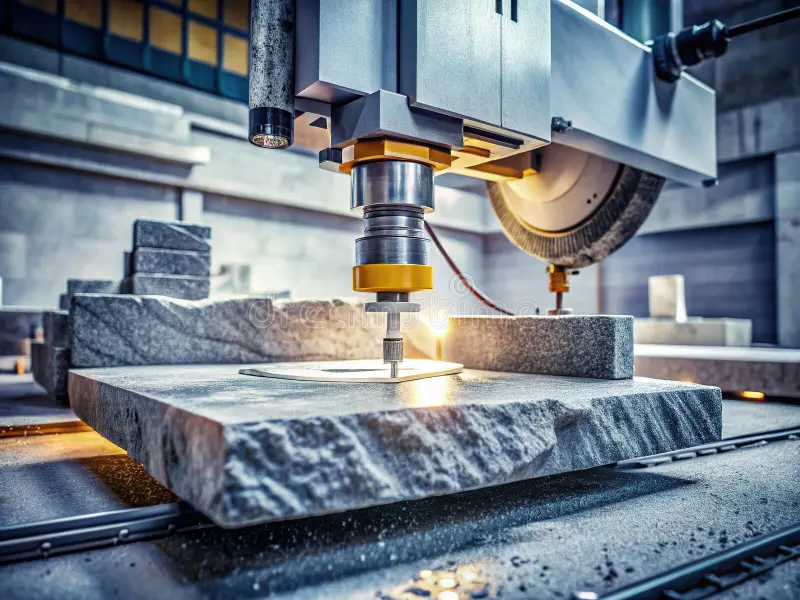
CNC Computer Numerical Control machines are also integral to modern stone fabrication. These computer-controlled machines can perform complex milling, carving, and edging tasks with extreme accuracy, allowing fabricators to create custom designs, detailed inlays, and seamless joints that were once difficult or impossible to achieve manually. Edge profiling tools are commonly used to create decorative finishes on countertops and other installations, with a range of bits and attachments that can produce shapes like ogee, bullnose, and bevel edges. Polishing is another critical step in the fabrication process. After the stone has been cut and shaped, it undergoes a series of sanding and polishing stages using pads of increasingly finer grit. This process enhances the stone’s natural luster and smooths out any imperfections from previous cutting operations. Ultimately, shaping granite is not merely about brute force; it is a sophisticated craft that requires understanding the stone’s properties and working with, rather than against, its natural tendencies.
Hand-held grinders and polishers are often used for smaller pieces or finishing touches, while larger surfaces are treated with floor polishing machines. Dust extraction systems are also essential in a professional fabrication shop to ensure worker safety and to maintain a clean working environment. Additionally, epoxy resins and adhesives are used to fill voids, join pieces, and enhance the overall appearance and strength of the finished product and visit https://www.sweetsofties.com/2025/02/the-value-of-quality-why-investing-in-durable-stone-tools-pays-off-in-the-long-run.html. Measuring and templating tools, both traditional and digital, are vital for ensuring that stone components fit perfectly into their intended spaces. Digital templating systems use laser measurement tools to scan and model the installation area, allowing fabricators to plan cuts and shapes with pinpoint precision before any stone is touched. The final installation phase involves careful transportation, on-site trimming if needed, and expert fitting to ensure the piece not only looks beautiful but also functions flawlessly.